Mar 2, 2026 | Issue 40
The Verb Changed
Most teams still “use” AI. The ones pulling ahead stopped using that word a while ago.
One people prompt 🧠
🔭 Signal: The Verb Changed
Listen closely to how people at your org talk about AI. The verb they reach for tells you everything.
“We use AI for summaries.” That’s a tool. A calculator with better marketing.
“We work with AI on client deliverables.” That’s an assistant. It follows cues and fills gaps.
“We collaborate with AI on strategy.” That’s a partner. It contributes things you didn’t ask for and couldn’t see.
Three verbs. Three eras. Most orgs collapsed all three into the last 6 months but are still writing policies, training programs, and job descriptions for era one.
I originally wrote about this progression on the PAICE.work blogwith “From Tool to Assistant to Partner: The Evolution of People+AI Working Relationships” back in January, mapping the shift and what it means for how we measure collaboration. At the time it felt early. Two months later, it seems the rest of the conversation caught up.
This isn’t just semantics. The World Economic Forum published a piece noting that the conversation has shifted from what AI agents can do to how they collaborate. Just yesterday, InPublishing wrote about the move from treating AI as something we pick up and put down to treating it as an active participant. Every vendor deck this quarter says “partner” or “colleague.” But inside most companies, the operating reality is still “tool we bought a license for.”
The gap between the verb on the slide and the verb in the hallway is where adoption stalls, trust breaks down, and expensive pilots quietly die.
🧠 Strategic (People) Prompt: What Verb Are You Actually Using?
Instead of asking: How do we get more people to use AI? Ask: What verb describes how our best people already relate to AI, and what would it take for that verb to spread?
Try this in your next team meeting:
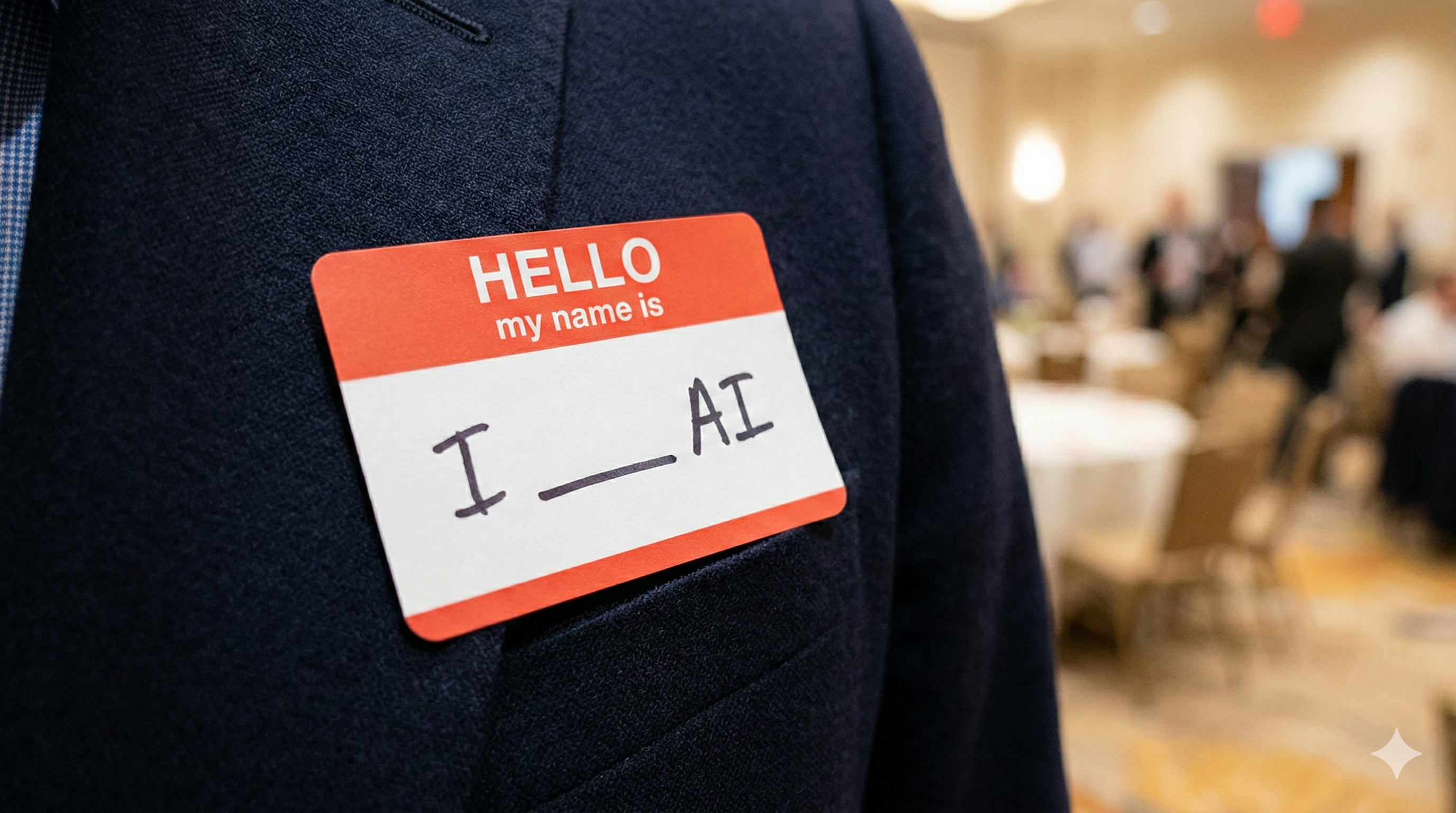
- Ask everyone to finish this sentence without thinking: “On our team, AI is something we (blank).”
- Note whether the answers cluster around use, work with, or collaborate with. Other words like love or hate may also appear, they’re all signal.
- The gap between the most common answer and the most advanced one is your adoption frontier.
➖ Subtraction Opportunity: Drop the Orientation Deck
Stop onboarding AI like it’s software.
If your AI training still teaches people which buttons to click, where to find the tool, and what it “can do,” you’re investing in era one while the relationship has already moved. The people who are genuinely collaborating with AI didn’t learn from that deck. They learned by doing, failing, exploring, and adjusting. Just like they would with any new colleague.
This week, try a quiet experiment: pause one AI training module. Don’t announce it. See who notices and who doesn’t. The ones who don’t notice are already past the tool era. The ones who do are telling you exactly where they’re stuck.
That’s your diagnostic. And it cost you nothing but a pause.
🎤 Analogy of the Week: Session Musician to Bandmate
You need a guitar part on the record. You have three options.
Hire a session musician. They show up, sight-read the chart, nail the part, and leave. Clean. Professional. Zero creative DNA shared. This is the tool era: AI plays exactly what’s written. Nothing more, nothing less. The music is functional but nobody in the room would call it theirs.
Bring in a backing band. They know your style, follow your lead, fill space around you. Better. But it’s still your name on the marquee, your arrangements, your call on every bridge and breakdown. This is the assistant era: AI interprets your cues, handles the middle parts, saves you time. The music sounds like you, because it is.
Now imagine you join a band. Someone else writes the bridge you couldn’t hear. The drummer shifts the groove and the whole song changes shape. You bring lyrics; they bring structure. The music becomes ours. This is the partner era: shared creative ownership, mutual adjustment, outcomes neither party would have reached alone.
Most orgs are still hiring session musicians and wondering why everything sounds the same, like the average of all bands rather than one really memorable one.
♬ Closing Notes
The verb is the tell. When leadership says “use” and the best practitioners say “collaborate,” the gap isn’t just linguistic. It’s structural. Policies, performance reviews, and training programs are all anchored to a relationship model that’s already moved on.
You don’t fix that with another rollout. You fix it by noticing where the verb already changed and building from there.
Until next week,
Sam Rogers Verb Spotter Snap Synapse from AI promise to AI practice
📅 Book a meeting Measure which era your team is actually in: PAICE.work free, behavioral, no surveys.